Open the Bag, Change the Beer: Five Crisps That Rewire a London Road Pint
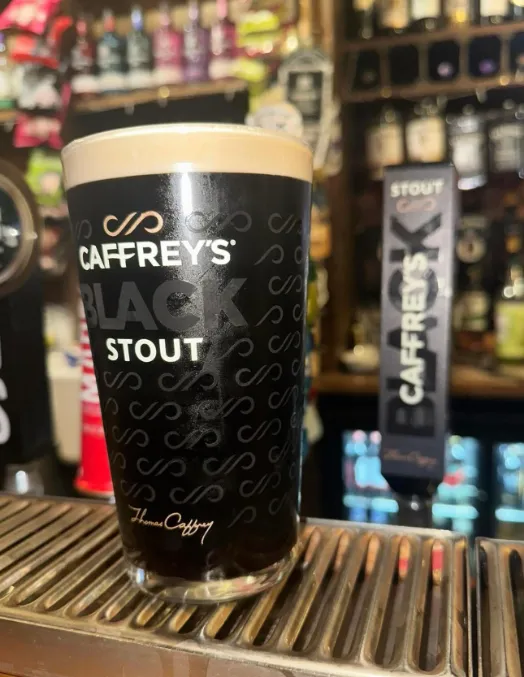
Photo: 55belgianbeerfan, CC0, via Wikimedia Commons
There is a moment in every London Road pub when the conversation stalls, someone taps the table, and the question lands: crisps or something hot? The answer matters more than it should. A packet is not padding between pints. It is a piece of kit. Get it right and the next mouthful of beer tastes rounder, longer, more like itself. Get it wrong and you have spent four quid on a pint that now tastes like the inside of a stationery cupboard.
So treat the crisp aisle as a syllabus. Not a ranking — we did the bar-snack ranking already, and scampi fries are still in therapy about it — but a working ladder. Five packets, five jobs, and a reasonable chance that your third pint is better than your first.
Three rules before we start
First, salt and fat want bubbles. A crisp with no fizz alongside is a crisp doing karaoke with no backing track. Second, vinegar needs a beer with a spine. Something too soft and the acid runs straight through it, leaving the pint tasting thin. Third, do not out-season your own drink. If the packet is louder than the beer, you have not paired anything; you have just eaten a crisp near a glass.
And a local note for 2026: the London Road corner shops have quietly improved their crisp ranges, which means the pub is no longer the only option. Resist the urge to smuggle. A pint bought across the bar earns you the stool, the banter and the right to ask for a fresh glass.
Rung one: salt and vinegar — the acid test
Salt and vinegar is the most opinionated packet on the shelf and it demands an equally opinionated beer. Go for a crisp pilsner or a dry, snappy lager with real carbonation. The bubbles scrub the fat, the bitterness gives the vinegar somewhere to go, and the whole thing finishes clean. A pale ale can work if it is lean and citrus-led. A stout cannot. Vinegar and roast malt fight like two people trying to pay the same bill.
Etiquette note: this is a first-pint packet. It wakes you up. It is not a last-pint packet, unless your plan for the walk home involves regret.
Rung two: ready salted — the cellarmanship exam
Ready salted is the control sample. It tells you what the beer is doing without any interference, which makes it the most useful packet in the pub. Order a bitter with it. A proper cask bitter, not too cold, with a bit of malt sweetness and a dry finish. The crisp adds salt and crunch; the beer does the rest. If the combination tastes flat, the problem is probably the pint, not the packet.
This is also the packet to order when you are not really hungry but you are not ready to go home. A bag of ready salted and a session ale is the London Road equivalent of a long, thoughtful pause.
Rung three: cheese and onion — the savoury hinge
Cheese and onion sits in the middle of the ladder because it can swing either way. The powdered cheese wants malt; the onion wants hops. A pale ale with a bit of body — biscuit, gentle bitterness, maybe a touch of tropical fruit — threads that needle nicely. Avoid anything too aggressively hopped. You are not trying to set off a smoke alarm.
This is the packet that best survives a slow kitchen. If the food is twenty minutes away and the table is getting restless, cheese and onion buys you time and goodwill. It also pairs well with a second pint of the same beer, which is the mark of a sensible choice.
Rung four: smoky bacon — the dark-pint rung
Smoky bacon is a strange crisp and a brilliant one. It tastes of nothing and everything at once, and it loves a brown ale, a dark mild, or a porter with a bit of chocolate malt. The smoke and the roast grain echo each other; the salt keeps the whole thing from turning into dessert. This is a winter pairing, properly. It belongs to a rainy Tuesday and a seat near the radiator.
One warning: do not pair it with a very hoppy beer. The smoke and the hops will compete, and the loser is your palate.
Rung five: prawn cocktail — the divisive one
Prawn cocktail crisps are either a national treasure or a war crime, depending on which side of the bar you are standing. But the pairing is not as mad as it sounds. The sweet tomato powder and the sharp, shellfish-ish tang want a wheat beer or a crisp, citrus-forward pale. Something with a little softness and a clean finish. A dry session IPA also works if you keep it under control; too much bitterness and the packet tastes like ketchup on a rainy pavement.
This is the packet to order when you want to make a point. It says you are not taking the evening too seriously. It also says you have a stronger stomach than the rest of the table, which counts for something on a Friday.
When the packet beats the hot bar snack
There are moments when ordering the scotch egg is simply wrong. The first twenty minutes of a session: crisps. The kitchen is on a forty-minute ticket and you are on your second pint: crisps. You are only staying for one and a half: crisps. There are four of you and nobody wants to commit to a plate: two packets, split. The pub is loud, the table is small, and cutlery would ruin the mood: crisps.
Hot food has its place. It is called lunch. But crisps are better at the beginning, better at the edges, and better when the aim is to keep drinking rather than to stop. The only real rule is to tip them into a bowl if the pub gives you one. A shared bowl is a social contract. A shared packet is a scuffle.
The London Road verdict
A crisp is not a garnish. It is a course, a pace-setter, and occasionally a personality test. Learn the ladder, order with intent, and remember that the right packet can make a decent pint taste like a very good one. The wrong packet can make a very good pint taste like a mistake. In 2026, with beer prices being what they are, that is a decision worth taking seriously — even if the packet itself is not.