The Board That Knows When to Stop: A London Road Case for the Proper Ploughman’s

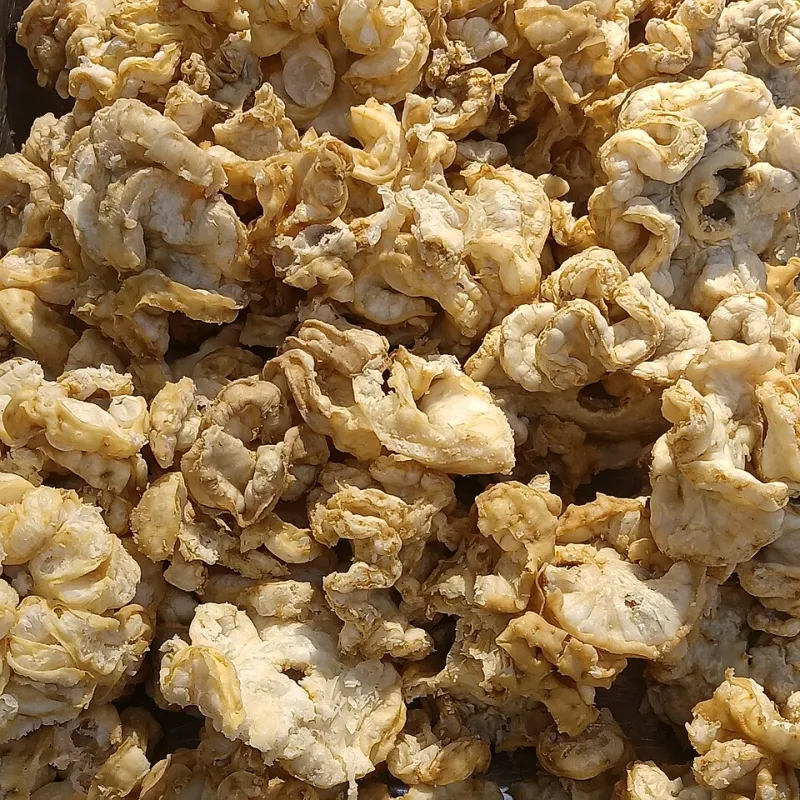
Photo: traditional British ploughman's lunch board cheese pickled onions pub, via www.texasnurselawyers.com
There is a moment, when a ploughman's lands on the table, that tells you almost everything about the kitchen behind it.
If the plate is a mountain — grapes, cherry tomatoes, a fan of cucumber, three kinds of bread, a ramekin of something orange — you know the kitchen is nervous. It is covering its bases. It is hoping volume will do the work of confidence.
If the plate is quieter — a thick wedge of cheddar, a piece of Stilton, good bread, butter, a spoonful of chutney, a pickled onion or two — you know someone in that kitchen has made decisions. That is a pub worth sitting in for an afternoon.
The ploughman's is not complicated. That is exactly why it is revealing.
What a ploughman’s is actually for
It is a pub lunch. It is not a charcuterie board trying to impress a wine bar. It is not a picnic hamper emptied onto a slate. It is the food you want beside a pint when you have walked a few miles, or when you have done nothing more strenuous than find a seat by the window and decide not to move for two hours.
The job of a ploughman's is balance: rich cheese, sharp pickle, good bread, a little butter, something fresh and crisp to cut through it all. Every element should have a reason to be there. If it is there because it fills a gap on the plate, it should not be there.
The cheese: three at most, one must be cheddar
A proper ploughman's needs a mature cheddar. Not a mild, rubbery slice. Something with bite, crumbled or cut thick rather than grated into a fan. Cheddar is the backbone.
After that, you can add one or two more. A blue — Stilton, perhaps — gives a sharp, salty edge. A Lancashire or a Cheshire adds a crumbly contrast. But three cheeses is the limit. Four is a cheese board pretending to be a lunch. Five is a cry for help.
The cheese should be at room temperature. Cold cheese tastes of very little, and a pub that serves fridge-cold cheddar on a ploughman's is telling you it assembled the plate in a hurry. Thick slices, not wafer-thin shavings. This is lunch, not a tasting menu.
Bread and butter: the quiet foundation
You cannot rescue a ploughman's with good cheese if the bread is dull. A crusty white loaf, cut thick, is the classic. Sourdough is fine if the kitchen knows what it is doing. A soft white roll is acceptable. A slice of sliced pan from a plastic bag is not.
And butter. Proper salted butter, soft enough to spread without tearing the bread. Not a tiny foil packet. Not margarine. A ploughman's without decent butter is a dry assembly of ingredients.
Some pubs add a pork pie or a slice of ham. That is not heresy. But it should be good ham, carved thick, or a proper pie with jelly and pepper. If it is a pale slice of packet ham, leave it in the fridge.
Chutney restraint
This is where good ploughman's goes wrong most often. Chutney is a condiment, not a soup. A tablespoon is plenty. Two tablespoons is generous. A ramekin filled to the brim turns the bread into a sticky mess and drowns the cheese.
A good chutney should be sharp and fruity, with a bit of texture. Branston-style pickle is fine. A homemade apple chutney is better. Something sweet and gloopy that tastes only of sugar is not.
And please — one chutney. Not three little pots competing for attention. The ploughman's is not a tasting flight.
The pickled onion’s proper job
The pickled onion is not a dare. It is punctuation.
One or two good, crisp pickled onions give a sharp, vinegary cut through the fat of the cheese and butter. They wake the palate up. But a bowl of them turns the plate into a vinegar challenge, and nobody wants to sit opposite the person who reeks of pickled onion for the rest of the afternoon.
A few cornichons or a pickled walnut can do the same job. The point is sharpness, not shock value.
What stays in the fridge
Cherry tomatoes, cucumber fans, and a handful of rocket are not crimes, but they are not the point either. A ploughman's is not a salad. If you want a salad, order a salad.
Grapes are a restaurant affectation. Apple is better — a sharp, crisp apple, cut into wedges, is a genuinely good addition. It brings freshness and a bit of sweetness without turning the plate into a fruit bowl.
Hummus has no business here. Neither does a pot of coleslaw. And a ploughman's should never arrive with a wedge of lemon. There is no fish. Leave the lemon alone.
The confidence test
A pub that serves a good ploughman's is a pub that understands its own menu. It is not trying to be clever. It is not hiding behind garnish. It is saying: here are good things, prepared simply, because we trust them.
That is rarer than it should be. Plenty of pubs can pile a plate high. Fewer can put four or five things on it and make you feel you have had exactly the right lunch.
So next time you see a ploughman's on a pub menu, look at the board before you look at the price. If it is quiet, confident, and knows when to stop, order it. If it looks like a deli counter has collapsed, order the pie instead.