The Tell-Tale Menu: Twelve Phrases That Reveal a London Road Kitchen
A pub menu is never just a list. It is a message from the kitchen, written in a hurry and priced in hope. On London Road, where the pints are honest and the chips should be too, the wording on the menu can tell you more about Sunday lunch than a hundred photographs of foam. This is not a rant about fancy food. It is a decoder: twelve phrases, scored for what they actually signal about the kitchen behind the bar.
Why the Menu Is a Confession
Menus are written under pressure. The kitchen is hot, the printer is waiting, and someone has decided that 'chips' sounds too plain. So the words pile up. The best London Road kitchens use plain language and then back it up with the plate. The worst use grand words to cover a gap. These scores are not about whether a dish tastes good. They are about how much the word tells you before the plate arrives.
The Words That Earn Their Place
1. House-made — 8/10. A real signal when it is true. House-made mayo, house-made pickles, house-made pie: these are small declarations that someone in the kitchen has done more than open a tub. The test is what the word is attached to. House-made tartare sauce beside a decent bit of fish is a green light. House-made ketchup beside a frozen burger is a shrug. Ask what it applies to, then listen carefully.
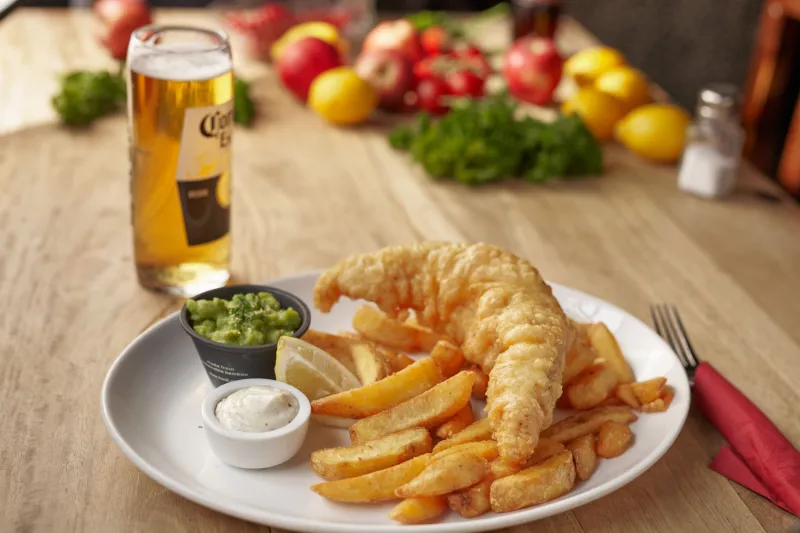
2. Proper chips — 9/10. The most loaded phrase on any London Road menu. Proper chips should be thick enough to hold gravy, floury in the middle and a bit ragged at the edges. If they arrive as skinny fries, the menu has lied, and you are allowed to take it personally. Proper chips are also a promise about the fryer: that someone is changing the oil and tasting the results. It is a simple word with a lot riding on it.
3. Hand-cut — 7/10. Similar to proper chips, but narrower. Hand-cut can mean brilliant, uneven, floury chips with character. It can also be a badge for 'we cut them this morning and then treated them badly'. Worth ordering when the kitchen is busy and proud. Less convincing when the place is quiet and the chips are tired. Still, it beats 'fries' by a country mile.
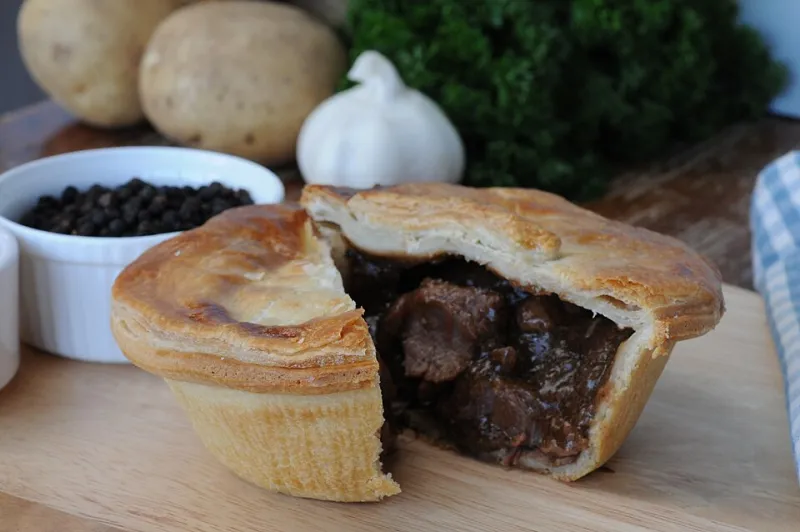
4. Suet — 8/10. A word that separates the pudding-makers from the pretenders. Suet in a steak and kidney pudding is not retro for the sake of it; it gives a specific heft and a proper savoury crust. If a London Road menu uses the word suet in 2026, it usually means the kitchen has a traditional streak and is not ashamed of it. Order the pudding. If they have one.
The Words That Need a Follow-Up
5. Seasonal — 6/10. Can mean 'we bought what was good this morning'. Can also mean 'we put a sprig of parsley on it and called it autumn'. Ask what is actually seasonal. In November, that should be roots, greens, game and apples. Not strawberries with a straight face. A kitchen that names the season out loud is usually more trustworthy than one that just uses the word as a garnish.
6. Local — 6/10. Local is a lovely word and a slippery one. Local to London Road? Local to the postcode? Local to a wholesaler in the next county? A good kitchen will name the supplier or the market. A lazy one will let the word do the heavy lifting. If the menu says local and the server cannot say where, score it lower. Local should be a fact, not a mood.
7. Pan-fried — 5/10. Pan-fried is not a technique; it is a nervous tic. It usually means someone cooked it in a pan, which is most food. It tells you almost nothing. The exception is when it sits next to fish or a dumpling and the kitchen is clearly trying to promise a crisp edge. Otherwise, it is menu padding. You can pan-fry a shoe. It does not make the shoe interesting.
8. For sharing — 4/10. A phrase that often means 'smaller than you hope and more expensive than you think'. Sometimes it is genuine: a proper board, a whole fish, a pie big enough to cause an argument. On London Road, a board for sharing should be a board you would be happy to defend in a pub argument. If it needs a second order of chips to make a meal, it was not for sharing. It was for photography.
The Words That Make Me Put My Pen Down
9. Jus — 5/10. Jus is gravy with airs. Sometimes it is a genuinely light, well-made sauce, and a good cook can make it sing. But if a roast dinner arrives with a thimble of jus and no gravy boat, the kitchen has misunderstood the brief. On London Road, gravy is not a garnish. It is a civil right. Use the word jus if you must, but do not be mean with it.
10. Deconstructed — 3/10. This is the word that makes a pub kitchen sound like a design seminar. Deconstructed means the elements are on the plate but you have to do the assembly. Sometimes it is playful. More often it is a way of charging more for less. If a pie is deconstructed, send it back emotionally. A pub is not a mood board. Put the lid on the pie.
11. Artisan — 2/10. Artisan is a word that has been rubbed smooth by overuse. It tells you nothing about the bread, the beer or the sausage. It tells you someone in marketing likes the letter 'a'. Ignore it and look at the rest of the menu. If the bread is good, it will not need the word. If the sausage is good, it will definitely not need it.
12. Market price — 2/10. Market price is not a word; it is a warning. In a pub, it usually means 'we have not decided yet' or 'please do not ask'. If the fish is market price and the chips are proper, you might still order it. But you are allowed to ask the number out loud before you commit. A good kitchen will tell you without flinching.
How to Use the Decoder
Add up the scores on the menu you are holding. Anything over eight is a green light. Anything around five is a conversation. Anything under four is an eyebrow. But do not be a snob about it. The best London Road menu might use only 'proper chips' and 'house-made' and nothing else, and still deliver the sort of dinner that makes you miss your bus on purpose. The words are clues, not verdicts. The pint helps.
At London Road Brewhouse, we like a menu that says what it means. If a kitchen can explain its chips in plain English, it can probably cook them. If it cannot, order the pie and hope. And if anyone offers you a deconstructed ploughman's, ask them to reconstruct it before it reaches the table.