The Sauce Shelf Doesn’t Lie: Reading London Road Condiments Before the Menu Lands
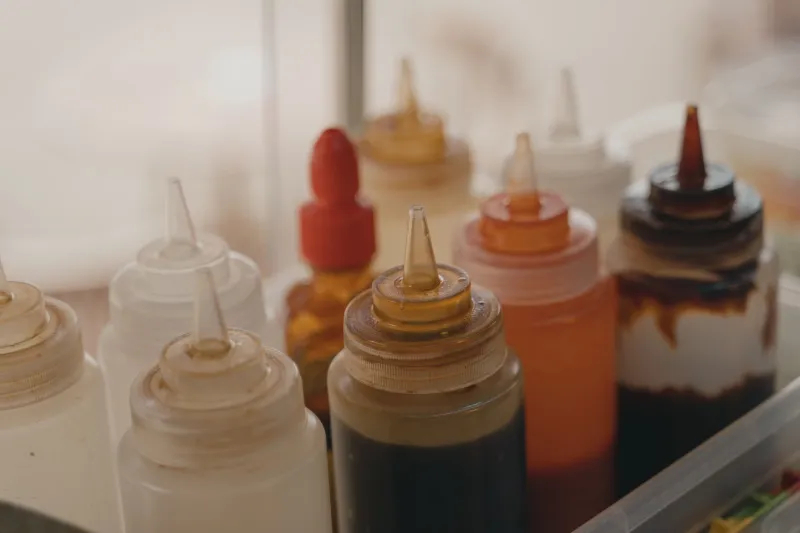
At London Road Brewhouse, we have a small ritual before the menu arrives: we look at the sauce shelf. Not because we are fussy — although, fair warning, we are — but because a condiment caddy is the most honest document in the pub. It is printed before the specials board, updated less often than the beer list, and it tells you whether the kitchen is cooking with confidence or simply hoping the ketchup will cover the gaps.
A menu is a promise. A sauce shelf is the evidence. In 2026, with pub menus getting longer and pints getting more interesting, the bottles on the table still deserve a proper read. Here is what we look for on London Road, what makes us wince, and which pint to order once you have made your assessment.
The First Glance: Bottles Beat Sachets
A proper bottle has weight. It has a label that has survived a few washes, a cap that clicks, and a story about how often it gets used. A sachet, by contrast, is a tiny sealed apology. It says the kitchen has thought about condiments, but only as far as the cash-and-carry aisle.
We are not against a sachet in a picnic basket or a train sandwich. In a pub, though, a bowl of little red and brown packets is a red flag. It suggests the table has been stocked rather than considered. The same goes for a single lonely brown sauce bottle sitting at the end of the bar like a guest who arrived early and has not been introduced to anyone.
Good sign: a small caddy with three or four bottles that clearly belong together. English mustard, malt vinegar, brown sauce, maybe a decent hot sauce if the kitchen has a point of view. It does not need to be crowded. It needs to look used.
Green Flags: Mustard With a Bit of Punch
English mustard is the great test. A pub that puts proper English mustard on the table is usually a pub that trusts its roast beef, its pork pie, and its sausage roll. The mustard should be sharp enough to make you sit up, not so old that it has gone the colour of a cricket pitch in September.
Dijon is fine in the right sandwich. Wholegrain is welcome with a platter. But if the only mustard on offer is a pale yellow squeeze bottle with no heat and no name, order the pie and lower your expectations accordingly. Mustard is not decoration. It is a statement of intent.
Pair it with: a best bitter or an ESB. The malt and gentle bitterness will stand up to the heat without turning the whole plate into a condiment tasting session.
The Vinegar Test
Malt vinegar should smell like chips, not like a school chemistry cupboard. A decent vinegar bottle — glass, ideally, with a proper shaker top — tells you the kitchen understands that fish and chips, mushy peas, and a pickled onion all need a little acid to wake them up.
Red flag: dusty vinegar. If the bottle has a visible fur coat, nobody has used it since the last time the table was cleared properly. Another red flag: balsamic vinegar on a pub table with no oil, no bread, and no explanation. That is not confidence. That is a bottle from a previous menu.
Pair it with: a crisp pilsner or a clean pale ale. The carbonation scrubs the batter, the hops lift the vinegar, and the whole plate makes sense again.
Horseradish and the Roast Dinner Promise
Fresh horseradish is a wonderful thing to find on a London Road table. It promises that the Sunday roast is not just a plate of meat and gravy, but a proper operation with sharp knives and a cook who knows what a beef joint can take. A jar of horseradish cream is acceptable. A lonely, crusted jar with a dried-out lid is not.
If the horseradish is fresh and fierce, the roast is probably worth your time. If it is missing entirely and the mustard is a sachet, we would order the burger and ask for extra pickles.
Pair it with: a dark mild or a smooth stout. The roasted notes flatter the beef, and the soft finish keeps the horseradish from running the whole show.
Red Flags: Dust, Distance, and a Lonely Brown Sauce
We are not asking for a sauce sommelier. We are asking for evidence of care. A dusty bottle, a cracked cap, a ketchup bottle that has been refilled so many times the label has given up — these are small things, but they add up.
The worst shelf is not an empty one. It is a shelf that has been arranged and then forgotten. A single brown sauce bottle with no mustard, no vinegar, and no pepper grinder is a table that has stopped listening. A cluster of sachets is a table that never started.
The best shelf is modest but alive. It has a bottle of English mustard with a bit of kick, a vinegar bottle that actually pours, a brown sauce that is not pretending to be something else, and maybe a hot sauce with a handwritten label. It does not need to be fancy. It needs to be used.
Matching the Shelf to the Pint
- Proper English mustard, malt vinegar, brown sauce, and a pepper grinder: order a best bitter. This is a shelf that understands a plate of sausages and mash, and the pint should do the same.
- Fresh horseradish, English mustard, and a decent gravy boat nearby: go for a dark mild or stout. The roast is the point, and the beer is there to support it.
- Vinegar, ketchup, and a lemon wedge: a pilsner or pale ale. Keep it clean, crisp, and ready for chips.
- Sachets only: a session lager and a quiet word with yourself about ordering the specials. The kitchen may still surprise you, but the table has already told you what it thinks of condiments.
- A lonely brown sauce and nothing else: a porter, if there is one. Brown sauce and dark beer have a certain shared outlook on life — sweet, sharp, and not afraid of a fried breakfast.
A Shelf Is a Small Contract
The condiment caddy is not the main event. It is the handshake before the meal. It says whether the kitchen is paying attention, whether the table has been properly set, and whether the pub believes that a good plate of food deserves a proper jar of mustard.
At London Road Brewhouse, we will keep reading the sauce shelf before the menu lands. It is a small ritual, but it has never let us down. Order the pint, check the vinegar, and trust the table to tell you the truth.