The Pour-to-Plate Stopwatch: Reading London Road’s Kitchen Rhythm in 2026
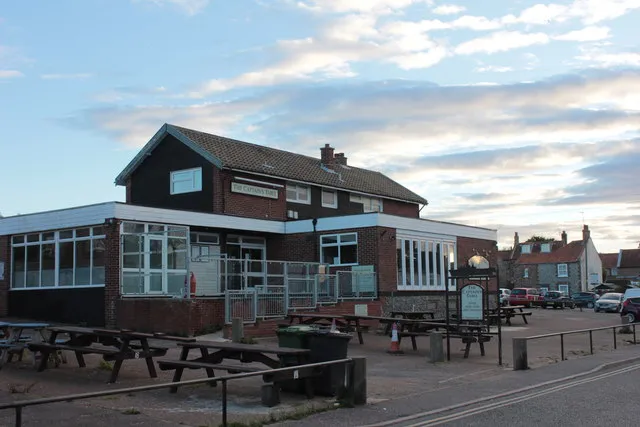
Photo: Robert Eva , CC BY-SA 2.0, via Wikimedia Commons
There is a moment, somewhere between the first sip and the first forkful, when a London Road pub shows you its true rhythm. You can feel it before you can explain it: the glass lands, the foam settles, and then you wait. Not long enough to complain. Not short enough to relax. The gap between the first pour and the plate is one of the most honest things a pub does, and it rarely gets audited.
So I audited it. Not with a clipboard and a high-vis jacket, but with a stopwatch on the bar and a pint in front of me. Over three evenings in late October and early November 2026, I timed typical orders at a handful of London Road pubs: pie and bitter, burger and pale, fish and chips and stout, a couple of small plates with a half. The results were less about speed than rhythm — and rhythm is what separates a kitchen that cooks from one that simply pushes tickets.
The Stopwatch Test, Minus the Clipboards
I started the clock when the first glass touched the table and stopped it when the plate landed. No interruptions for cutlery, condiments, or the hunt for a second napkin. I did not time drinks refills, and I did not count the walk from the kitchen as part of the cooking. This was pure pour-to-plate: the gap a drinker actually experiences.
The first thing I learned is that a single number is useless. A seven-minute gap for a bowl of chips is generous. A seven-minute gap for a steak and ale pie is suspicious. Context matters, which is why the useful measure is not the clock alone but what the clock is doing to the pint.
The Numbers I Got
| Order | First pour to plate | What it felt like |
|---|---|---|
| Small plates and a half | 7–9 minutes | Brisk, but not rushed |
| Pie and a pint | 12–15 minutes | The sweet spot |
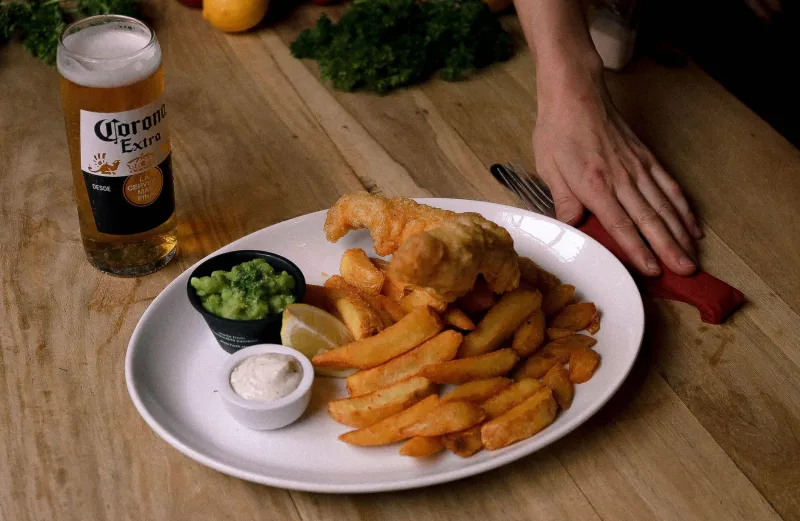
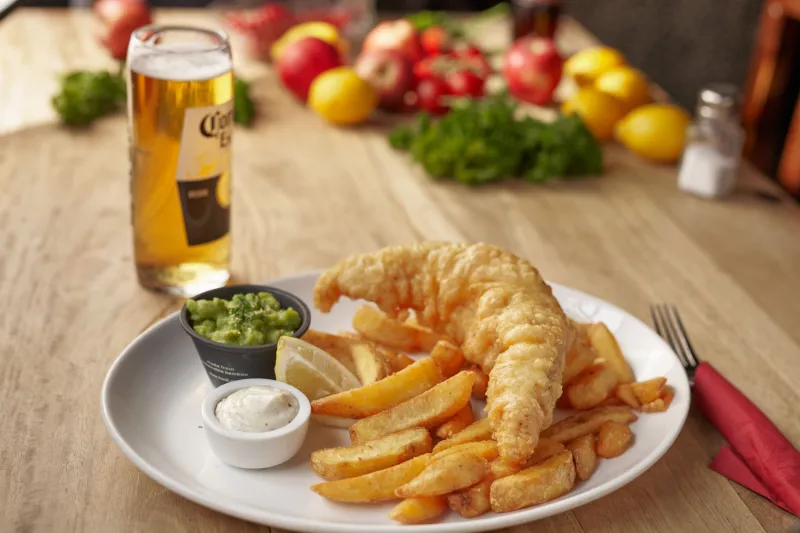
| Fish and chips and a stout | 14–17 minutes | Comfortable |
| Burger and a pale | 15–18 minutes | Fine, if the bar is talking |
| Sunday roast and a bitter | 18–22 minutes | Worth the wait, if warned |
These are not league tables. They are rhythms. A pub that can land a pie in twelve minutes on a quiet Tuesday is not necessarily better than one that takes eighteen on a busy Friday. What matters is whether the gap feels intentional, and whether the person behind the bar has a rough idea of what the kitchen is doing.
A Gap Under Seven Minutes Is Not Always Good News
When a main course arrives before you have had three mouthfuls of your pint, the kitchen is not cooking. It is assembling. That is fine for a scotch egg, a sausage roll, or a bowl of scratchings. It is less fine for a burger, where the bun has usually been toasted ahead and the patty held in a warming drawer. You can taste the hurry: chips that have lost their edge, gravy that has the faint metallic note of a jug kept too long, a pie lid that shatters because it has been reheated rather than baked.
A rushed gap also does something odd to the pint. You have barely settled the head and suddenly there is a plate in front of you, and you are eating rather than drinking. The beer becomes a condiment. That is not a disaster, but it is not a London Road evening either. The best pubs give you a moment to want the food.
A Gap Over Twenty-Five Minutes Is a Different Problem
A dragging gap is easier to diagnose and harder to forgive. Anything past twenty-five minutes for a standard main suggests the bar and kitchen are not talking. The pint is empty, the second-pint dilemma arrives before the plate, and you start calculating whether you have time for another before the food lands. A good pub will tell you the pie takes twenty minutes. A great pub will tell you before you order the second pint.
There is also the quiet indignity of the long gap when you are on your own. You have read the beer mat. You have read the specials board. You have started reading the back of the sauce bottle. By the time the food arrives, you are no longer hungry so much as relieved.
The Twelve-Minute Pint
Twelve minutes is not a law. It is a useful gauge. For a bar snack, twelve minutes is almost leisurely. For a pie, it is about right. For a burger, it is the upper end of comfortable. The point is not to demand twelve-minute service everywhere. The point is to notice when the pint and the plate are working together rather than against each other.
My rough rule: a first plate should land when you have about a third of your pint left. If the glass is still two-thirds full, the kitchen is ahead of you. If it is empty, the kitchen is behind you. The perfect gap is the one where you forget to check the clock.
Dishes That Hold Their Own Against a Busy 2026 Kitchen
Some food survives a busy clock better than others. A pie is forgiving: the pastry holds, the filling stays hot, and a good kitchen can plate it without panic. Fish and chips can be excellent if the fryer is managed, though a fifteen-minute gap is about the limit before the batter starts to soften. Sausage and mash is sturdy. A ploughman’s is almost immune to timing, because most of it is assembled rather than cooked. Chips are the great constant, provided they are fried to order and not held under a lamp.
The dishes I would avoid on a packed Friday are the ones that need last-minute precision: delicate salads, pan-seared fish with a thin window, anything described as ‘rested’ on the menu. If the kitchen is in the weeds, order the stew. Order the pie. Order the ploughman’s and a second half, and let the evening find its own pace.
Pints That Pace a Plate
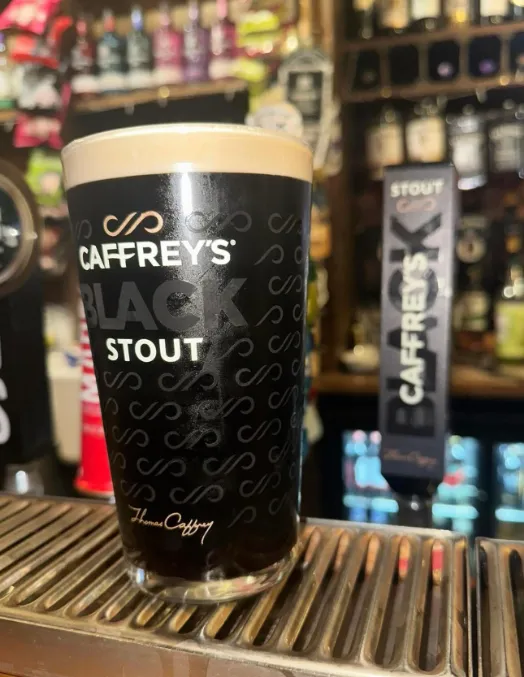
A pint should be a companion, not a hostage. Session bitters in the 3.8–4.2% range are ideal for the pour-to-plate gap: they are steady, they do not demand attention, and they leave room for the food. A dry stout works beautifully with a pie or fish and chips, especially in November. A pale ale is fine with a burger if it is not a hop bomb. A 6.5% IPA before a main is a nap, not a pairing.
If the gap is stretching, order a half rather than a pint. It keeps the rhythm going without turning the wait into a session. If the gap is short, order the pint you actually want. The kitchen will catch up.
The Verdict
A stopwatch will not tell you whether a pub is good. It will tell you whether the pub knows what it is doing. London Road’s best kitchens are not the fastest or the slowest; they are the ones that understand a pint is part of the service, not an obstacle to it. The plate should arrive when the glass is ready for it. That is the whole trick.
So next time the food lands, look at your pint before you pick up your fork. If there is about a third left, the kitchen has read the room. If there is none, you are in a different kind of pub. And if there is too much, you have found a kitchen that cooks by the clock rather than by the evening.