First Impressions Are Clear: A London Road Pint Glass Audit
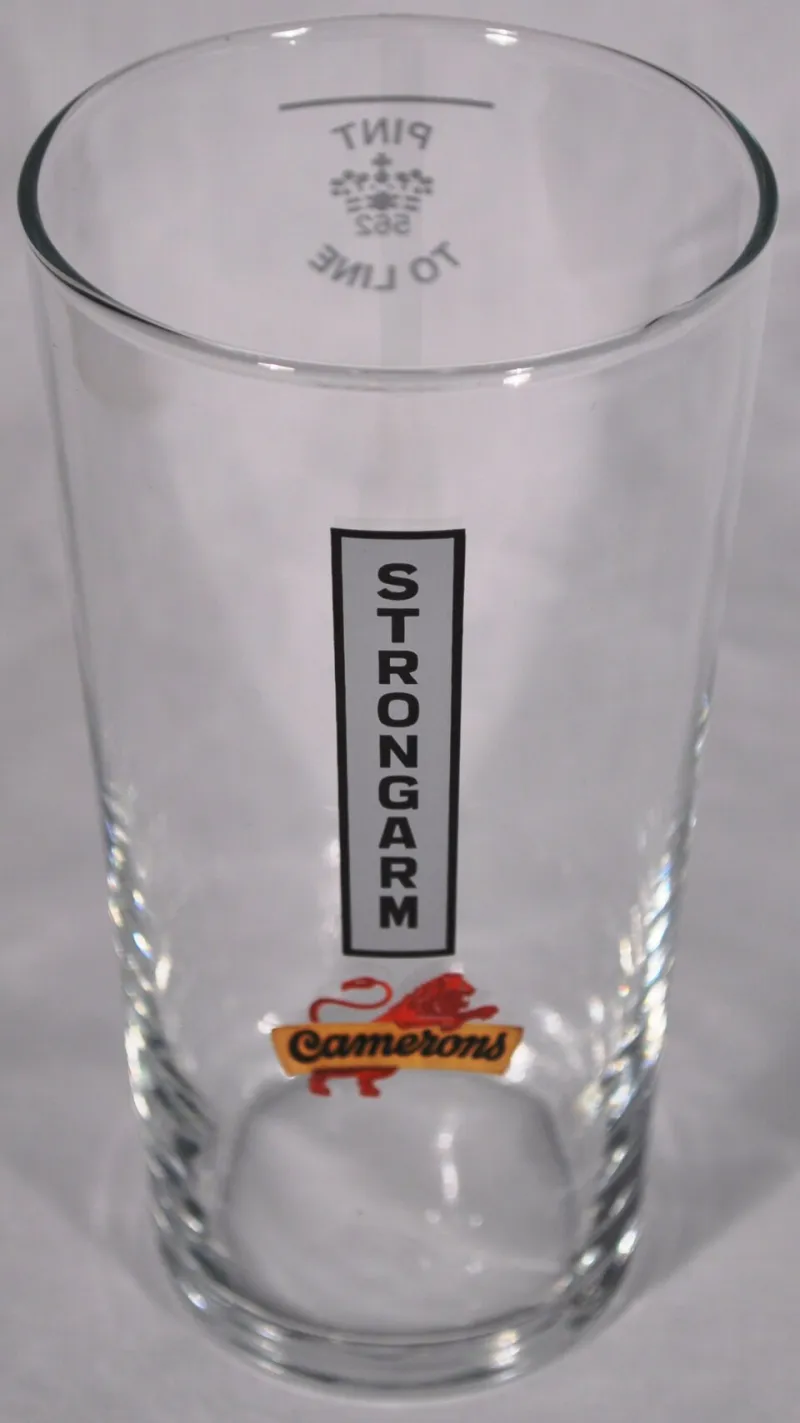
Photo: Museum of Hartlepool, No restrictions, via Wikimedia Commons
There is a moment, just before the first sip, when your pint is still only a promise. The glass has landed. The beer has settled. The bar staff have moved on to the next order. And in that small pause, the vessel has already told you most of what you need to know.
On London Road, we are not short of pubs. We are also not short of opinions about them. But for all the chat about cask freshness, kitchen consistency and whether the corner table is draughty, the glass rarely gets a hearing. That feels like an oversight. A pint glass is not just a container. It is the first honest review you will get all evening.
The nonic: the dependable old workhorse
Let’s start with the nonic, the pint glass with the bulge near the top and the dimpled air of a school caretaker. It is not glamorous. It does not ask to be photographed. But it is honest, stackable and hard to break, which is why it turns up everywhere from back-street boozers to the sort of London Road pub where the carpet has seen three generations of Friday nights.
A good nonic tells you the pub is not trying to be clever. It is trying to get a decent pint to you without fuss. That is not nothing. In 2026, with so many bars chasing the aesthetic of a Scandinavian airport lounge, there is something reassuring about a glass that has clearly been around since before anyone thought to put a houseplant on the bar.
The caveat is condition. A nonic that has been through the washer a thousand times can look tired. Scratches hold onto old foam. A cloudy base is never a good sign. If the glass looks like it has been used to prop open a cellar door, the beer inside may have had a similar journey.
The tulip and the nucleated glass: when shape earns its keep
The tulip is the glass that says someone in the building has thought about aroma. It narrows at the top, traps the hop smell and makes a pale ale feel a bit more special than it perhaps is. The nucleated version—the one with the little etched pattern at the bottom—takes things a step further. Those tiny scratches create nucleation points, which keep the head alive and release carbonation in a steady stream of bubbles.
I am not a glassware purist. I do not need every pint served in a branded chalice. But I do notice when a pub matches the vessel to the beer. A crisp lager in a straight-sided glass is fine. A hazy pale in a tulip is better. A stout in a nonic is acceptable; a stout in a tulip is a small act of kindness. The right shape can round off the edges of a beer that is a bit too cold, a bit too gassy, or just a bit too ordinary. That is when a £5 pint starts to feel like a £7 pint.
Branding: souvenir or signal?
There is a difference between glassware that carries a pub’s name and glassware that carries a pub’s soul. A discreet logo on the base is fine. A full-colour wrap advertising a lager you are not drinking is not.
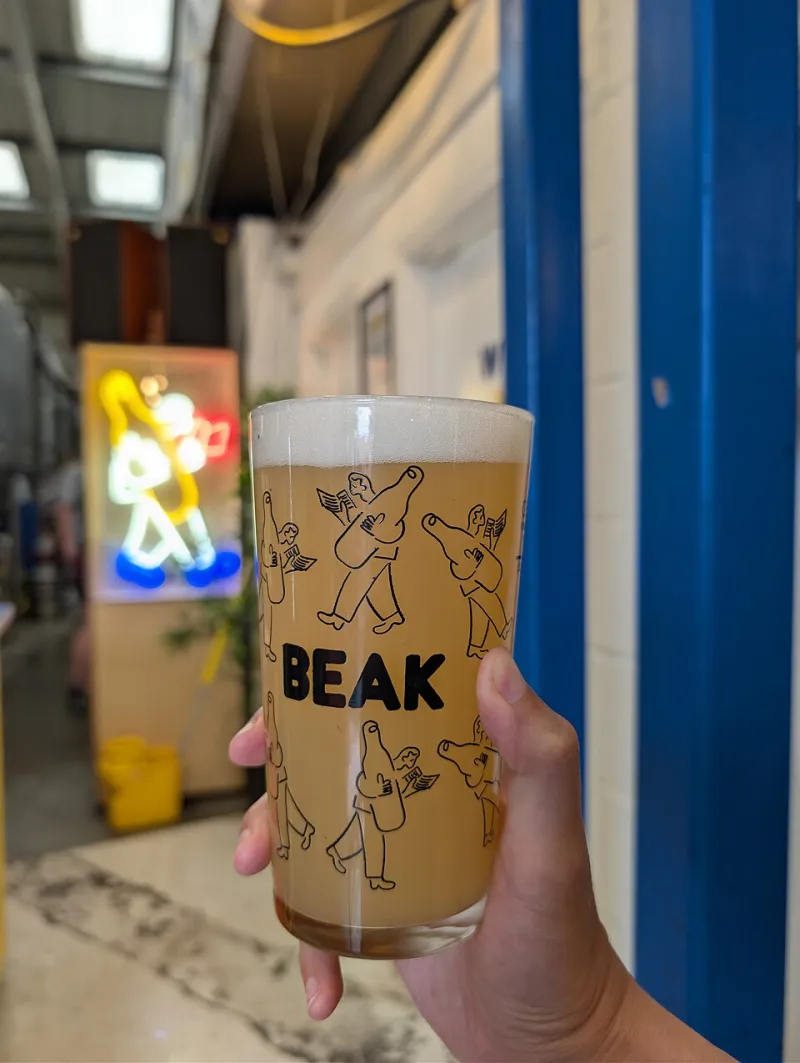
The worst offender is the borrowed glass—the one from a beer festival, a rival brewery, or a chain pub two towns over. It suggests the cellar is running on improvisation. Sometimes that is charming. Often it is not. If the glass does not match the beer, the pub is telling you it does not mind. That is a small thing, but small things add up.
On London Road, the best examples are the ones where the glass feels like part of the furniture. A plain nonic with a faded crest. A tulip that has been in service long enough to have a story. Those glasses do not shout. They simply do their job.
Cleanliness: the lipstick test and the bubble trail
The glass is also a hygiene report. You can learn a lot from the first few seconds. Are there lip marks on the rim? Is there a faint whiff of washing-up liquid? Are there bubbles clinging to the side of the glass before the beer has even been poured?
A clean glass should be bright, clear and free of smears. If it is not, the beer is already at a disadvantage. A dirty glass can kill a head, flatten a beer and leave a greasy film that makes every mouthful feel slightly wrong. The bubble trail is a useful tell. If the carbonation is clinging to the sides rather than rising to the top, the glass has not been rinsed properly. That is a kitchen or cellar issue, not a beer issue. But you will taste it.
Matching the beer to the glass
The best pubs on London Road are the ones that understand the relationship between vessel and pour. A session bitter in a nonic is a quiet pleasure. A strong IPA in a tulip feels considered. A porter in a glass that has been chilled within an inch of its life is a mistake. Cold glass numbs the aroma and flattens the flavour. If the glass comes out of the fridge, the beer is already on the back foot.
You do not need a different glass for every beer. You just need a pub that cares enough to think about it. The difference between a good pint and a great one is often not the brewery. It is the glass it arrives in.
What I look for now
These days, I look at the glass before I look at the pump clip. Is it clean? Is it the right shape? Does it feel like it belongs to the pub, or like it was borrowed from a function room? The answers tell me whether to settle in or keep my coat on.
London Road is full of pubs that get this right without making a fuss about it. They are not chasing trends. They are just serving beer in the way it deserves. And in 2026, that is still the best review a pint can get.