Small Glasses, Bigger Evenings: Rethinking the London Road Session
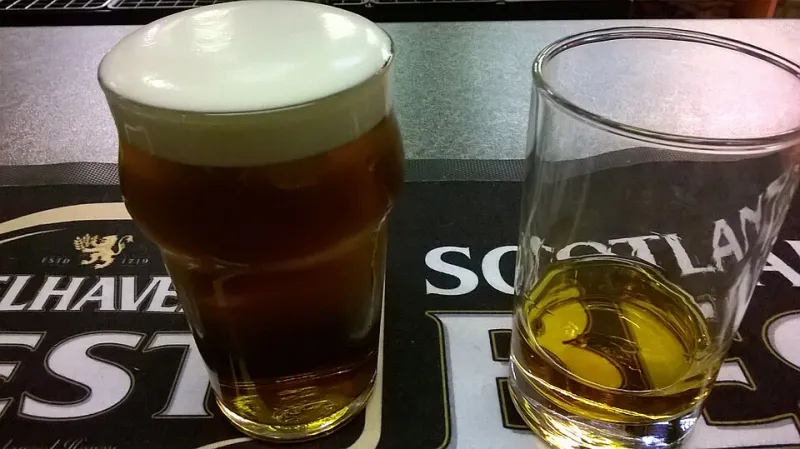
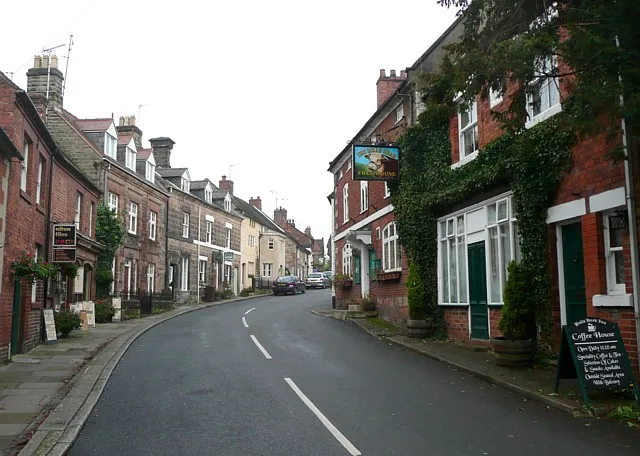
Photo: Mutt Lunker, CC BY-SA 4.0, via Wikimedia Commons
There is a particular look that crosses a bar worker's face when you ask for a half. It is not quite pity, not quite suspicion. It is the look of someone who has heard every excuse for a quiet one and is trying to work out whether you are pacing yourself or simply indecisive. On London Road, where the taps have a habit of changing just when you have settled on a favourite, that look deserves a rebuttal. The half is not a retreat from the session. It is one of the best ways to run one.
A pint is a lovely default. It is generous, familiar, and it fits the hand. But a pint is also a commitment. You are saying: for the next twenty minutes or so, this is my beer, this is my pace, and I am not to be distracted by the new pale ale that has just come on. That is fine when the beer is a known quantity. It is less fine when the brewhouse board is full of things you have not tried and the evening is young. In 2026, with more styles on the bar than ever and strengths that can creep up quietly, a half is not fussy. It is good manners to your own palate.
The half is not a retreat
Let us clear up the obvious. A half is 284ml, not a punishment. Ordering one does not mean you are leaving early, counting units, or judging the rest of the table. It means you want to taste something properly and still be good company at nine o'clock. There is a difference between drinking less and drinking with more attention. The half sits squarely in the second camp.
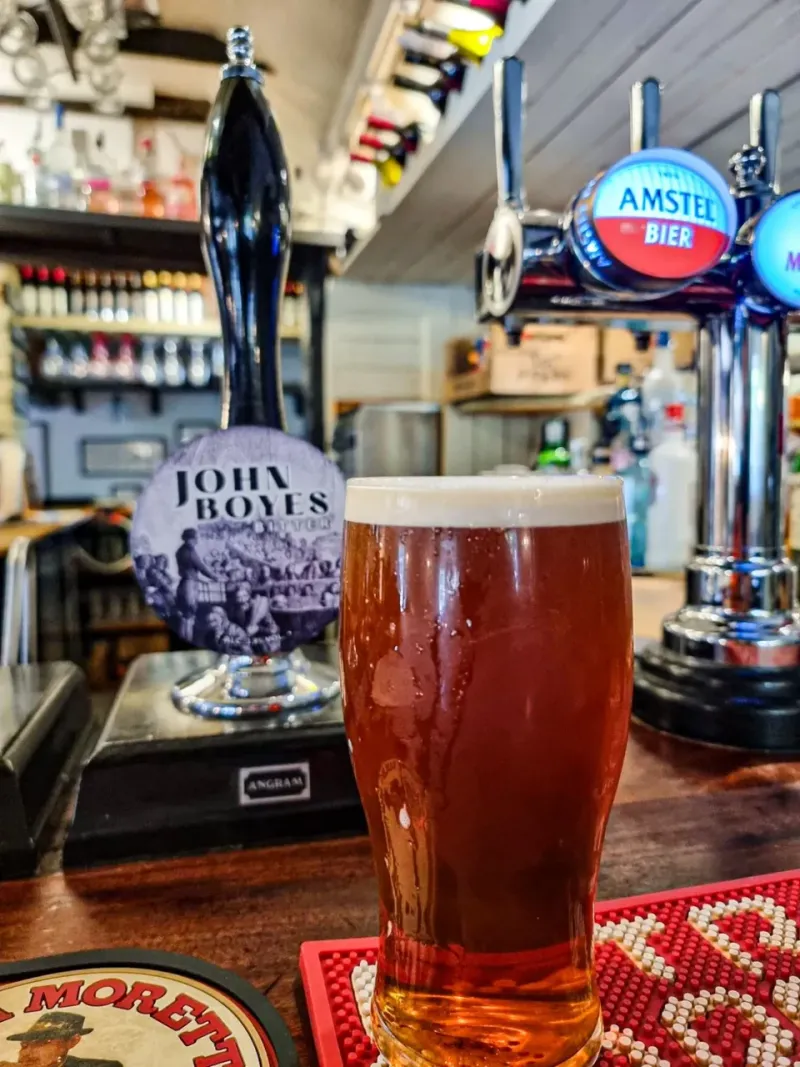
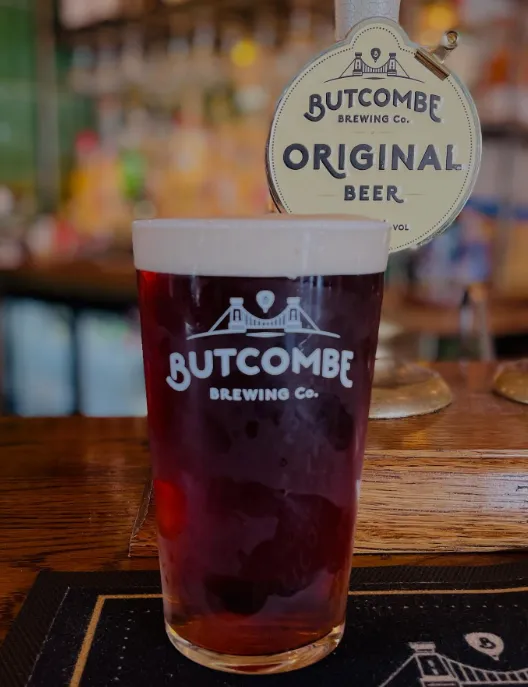
It also helps the beer. A cask pint is a living thing, and the last third of it has a job to do: it has to stay fresh, conditioned, and at the right temperature while you get distracted by a conversation about whether the roast potatoes were better in October. Often it manages. Sometimes it does not. A half gives the beer less time to lose its sparkle, and it gives you a fresh pour when you move on. Even on keg, where consistency is the selling point, a smaller measure means the next glass is newly poured, not a slow descent into warmth. You are not being precious. You are simply refusing to drink a beer after it has stopped being the beer you ordered.
Then there is the conversation. A full pint is a fine companion, but it does have a way of slowing the gears. Two halves, chosen with a bit of thought, keep the evening nimble. You can compare. You can change your mind. You can hand your mate a mouthful of the stout and tell them it tastes like a bonfire in a good way. A session is not measured in units, whatever the spreadsheet says. It is measured in how long everyone is still listening to each other.
Build a half-pint crawl without leaving the bar
The beauty of the half is that you can build a crawl across the London Road Brewhouse taps without putting your coat on. Start light and work towards the darker stuff, or ignore that rule entirely. The point is to give each beer a fair hearing.
Begin with something golden and gentle: a half of First Light, say, all citrus and digestives, the sort of beer that wakes the palate without shouting. Follow it with London Road Best, a proper bitter with enough biscuit malt to remind you why the style survived. Then take a half of Coalhouse Stout, dry rather than syrupy, with a roast note that sits nicely beside a bag of scratchings. If the pale ale on the board is something bright and hoppy, have a half of that next. Finish with a mild if there is one, or a small glass of something dark and low if the evening still has legs. Five halves is two and a half pints, spread across an evening, with five separate opinions. That is not a compromise. That is a tasting menu with better seating.
You can share them, too. A half is the ideal unit for a table that wants to compare. Order two or three between friends, put them in the middle, and let everyone get on with it. No one has to pretend to love the sour. No one has to finish a pint of the smoked porter out of politeness. The half makes honesty cheap.
The etiquette of the small glass
There is a right way to order a half and a wrong way. The wrong way is to apologise. Do not say, 'Just a half, sorry.' You are not sorry. You are a customer with a plan. Ask for it clearly, pay for it, and drink it as if you meant it, because you did. If you are in a round, order halves for yourself and let everyone else do as they please. If someone buys you a pint, accept it with good grace. The half is a tool, not a personality.
The other bit of etiquette is not to preach. No one wants a lecture on session management with their Sunday lunch. If a friend asks why you are on halves, tell them the truth: you wanted to try the new pale and the stout, and a pint of each would have ended the evening early. They will either understand or order a pint themselves. Either is fine.
What you give up
A half is not perfect. It costs more per millilitre, it means more trips to the bar, and it lacks the satisfying weight of a full pint in the hand. There is a ritual to a pint that a half cannot match. If you are settling in with one beer and a pie, order the pint. If you are on a mission to understand a tap list, or you want to be the person who still has something interesting to say at the end of the night, order the half. The trade is straightforward: a little less volume, a little more variety, and a better chance that the last mouthful tastes as good as the first.
So next time the board is full of unfamiliar names, do not default to the biggest glass. Start with a half of something you do not know. Then another. Let the evening find its own pace. The pint will still be there tomorrow. The conversation might not.