The Quiet Pint Manifesto: Why London Road’s Best Beer Won’t Need a Hype Sticker in 2026
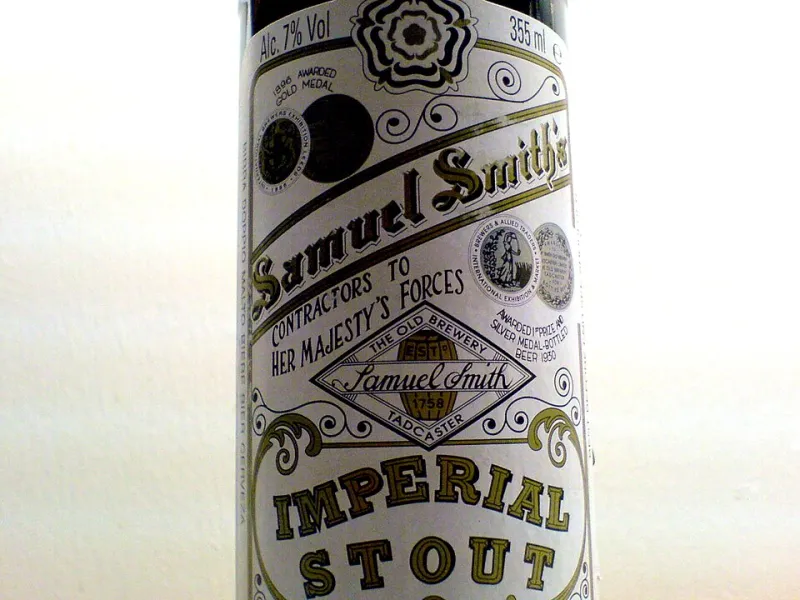
Photo: 55belgianbeerfan, CC0, via Wikimedia Commons
Walk into a beer shop in November 2026 and you will be met by a wall of noise. Neon labels, limited-edition artwork, pastry stouts, triple-fruited sours and cans designed to be photographed before they are opened. None of that is automatically bad. Some of it is excellent. But somewhere in the rush to be new, the simple pleasure of a well-kept pint has been made to feel a bit dull. It is not dull. It is the whole point.
At London Road Brewhouse, our idea of a perfect pint has never needed a hype sticker. It needs a clean line, a sensible temperature, a proper glass and a plate of something hearty nearby. That is the manifesto. Not a battle against craft beer, but a reminder that the best beer in 2026 might be the one that asks nothing of you except another sip.
The quiet pint is not a compromise
Session ale and cask bitter get called old-fashioned by people who have not spent enough time in a good pub. A well-made bitter at 3.8% or 4% is not boring. It is balanced. It has enough hop to wake up your palate, enough malt to hold it together, and enough restraint to let you have a second pint without losing the thread of the conversation.
That is the difference between a beer you admire and a beer you drink. Novelty brews can be fun. A barrel-aged imperial stout with a dessert menu attached can be a brilliant one-off. But it is not the pint you want after a long Tuesday, or with a pie, or while putting the world to rights with a neighbour. The quiet pint does that job better than anything with a queue outside the brewery.
A good session ale is also a test of the pub, not just the brewer. It is easy to hide behind strong flavours and low temperatures. It is much harder to serve a modest-strength beer that tastes clean, fresh and complete. When a pub gets that right, you can taste the care.
What well kept actually means
Cask beer is alive. That is its charm and its risk. A pint that has been sitting in a warm line, or pulled through a dirty tap, will tell you immediately. The first signs are usually not dramatic. It might be slightly flat, slightly cloudy when it should be bright, or smell of vinegar, cardboard or old dishcloths. Sometimes it is just dull. Dull is the worst offence of all.
Cellar temperature matters more than most drinkers realise. Cask ale should be cool, not frozen. Somewhere around 11 to 13C is a good guide. If it arrives so cold that the flavour disappears, you are drinking the fridge, not the beer. If it arrives warm and tired, the cellar has not done its job. A good pint should taste like it has been looked after, because it has.
Glassware is part of the same story. A clean, properly rinsed glass lets the head form and the aroma come through. A glass straight from the dishwasher with a faint chemical smell will ruin a decent pint. So will a badly poured one with no head at all. You do not need a branded glass for every beer. You need a clean one that suits the serve.
The two-minute check
You do not need to become a beer judge to spot a good pint. Start with the look. It should be bright unless the style is meant to be hazy, and it should have some condition, not a dead flat surface. Give it a sniff. Fresh malt, hops and yeast are good. Vinegar, wet paper or washing-up liquid are not.
Then taste it before you commit to a long sit. If you are unsure, ask for a small taste. A good pub will not mind. If something is off, say so politely and ask for it to be changed. That is not being difficult. It is how pubs keep their standards up. A well-kept pint is a two-way agreement: the pub looks after the beer, and the customer tells them when something has slipped.
One more practical tip: let the pint settle for a minute. Cask ale changes as it warms. A beer that tastes a little tight and cold at first can open up beautifully. Give it a chance before you decide it is not for you.
Food that lets the pint speak
Our default pairing is not complicated. A pint of bitter with steak and ale pie, fish and chips, sausage and mash or a decent ploughman’s is hard to beat. The malt in the beer meets the pastry, the bitterness cuts through the fat, and the carbonation clears the palate for the next mouthful. It is not a trend. It is physics with gravy.
The mistake is trying to match the biggest thing on the menu with the biggest thing on the bar. A double IPA with a triple-cheese pie is not a triumph. It is a shouting match. A session ale with a Sunday roast, or a mild with a mushroom pie, will usually be more enjoyable because the beer has room to be tasted.
If you want a rule, use this one: match the weight, contrast the richness. A rich stew wants a beer with enough roast and bitterness to cut through it. A lighter plate wants a beer that will not flatten it. And if you are ordering pudding, save something stronger for the end rather than starting with it.
A London Road test for your next visit
Next time you are in, try this. Order a cask bitter or session ale you have not had before. Ask the staff what is drinking well and how it has been kept. Sit down with a proper plate of food, put your phone away and give the pint two minutes to settle. If it tastes flat, tired or too cold, send it back. If it tastes like more, you have found the point.
The perfect pint does not need a hype sticker. It needs a pub that cares, a cellar that is doing its job and a drinker who is willing to pay attention. That is a low bar, in theory. In practice, it is the whole game. And in 2026, it is still the best thing we can put on the bar.