The First Round Decides Everything: A London Road Guide to the 2026 Work Christmas Do
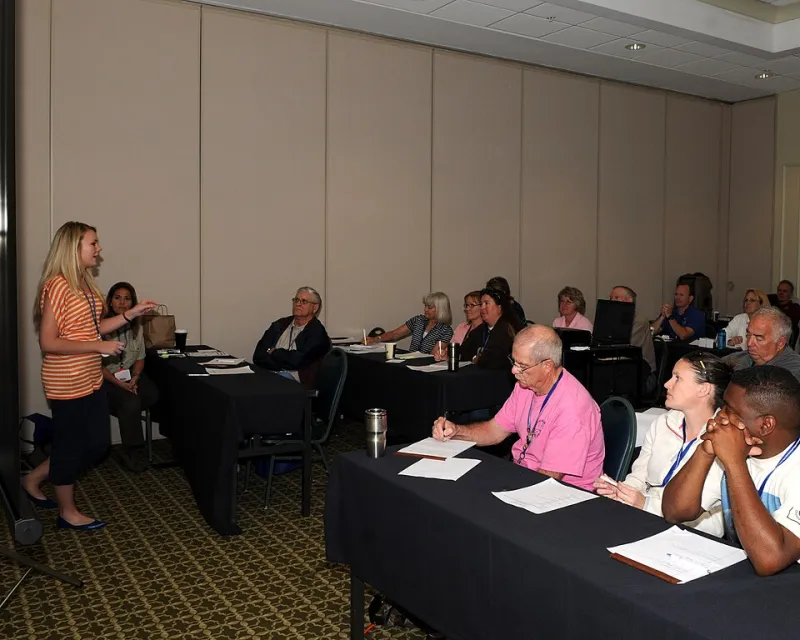
Photo: USFWS/Southeast, Public domain, via Wikimedia Commons
Every November, someone in the office opens a spreadsheet. It has tabs. It has a colour code. It has a column marked 'dietary requirements' and another marked 'maybe?'.
And every year, that spreadsheet tries to turn a perfectly good night out into a logistics exercise. The office Christmas party does not need a project manager. It needs a pub with proper beer, a warm room, and someone decisive enough to order the first round.
At London Road Brewhouse, we are biased. We think a neighbourhood pub beats a restaurant set menu for a work Christmas do every time. But the pub only wins if you plan the first hour properly. After that, the evening tends to look after itself.
Why the pub wins before the food arrives
A restaurant set menu is a hostage situation with crackers. You sit where you are told, you eat what was chosen in October, and you leave when the next booking arrives. There is nothing wrong with that if you enjoy being handled.
A pub is different. People arrive in waves. Someone stands by the bar for ten minutes because they are catching up with a colleague they have not seen since the summer. Someone else wants a dark beer. Someone wants a lime and soda and no fuss. The room absorbs all of it.
But the pub gives you freedom, and freedom needs a small amount of structure. Not a spreadsheet. A plan for the first round, a short food order, and a clear understanding about the bill. That is the whole trick.
The pre-order that does not become a committee
Here is the rule: one person owns the food order. Not four people, not a working group, not a poll in the group chat with twenty-three options.
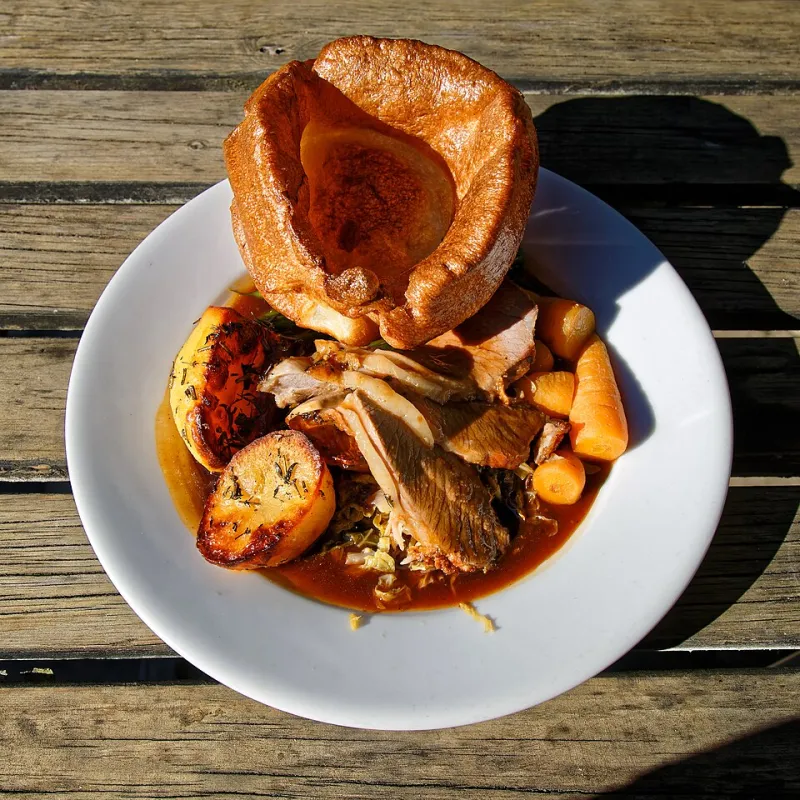
Collect dietary needs early — genuinely important ones, not preferences — and then choose a short, generous spread. Think pies cut into portions, sausage rolls, roast potatoes, pickled things, warm bread, maybe a pot of mussels if the kitchen is doing them. Food that sits in the middle of the table and lets people help themselves.
Do not ask twelve people to choose twelve individual mains. You will get a table of lukewarm compromise and one person who claims they are not hungry and then eats everybody's chips.
If the brewhouse offers a festive sharing menu, take it. If it offers a choice of three mains, pick the three that cover the most ground: something meaty, something vegetarian, something a bit lighter. Pre-ordering is not about control. It is about making sure the food arrives while everyone still has an appetite and the conversation is still about something other than the menu.
A beer list that keeps everyone onside
The first round is the diplomatic moment of the entire evening. Get it wrong and you spend the next three hours watching half the table nurse a drink they did not want.
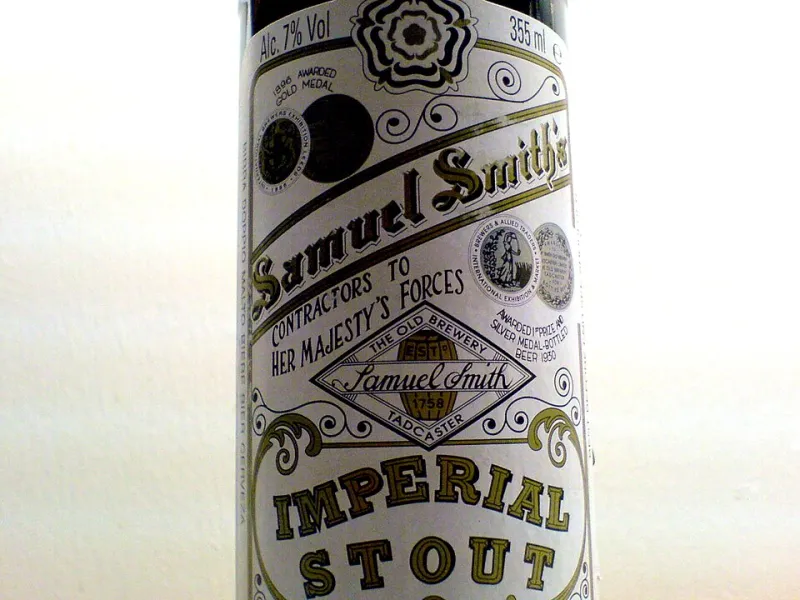
Start with range. A crisp pilsner or lager keeps the lager drinker happy. A proper best bitter gives the ale crowd something to talk about. A stout or dark mild on the side — even a third of a pint — lets the stout sceptic try without committing to a whole one. And a good alcohol-free beer means the person driving, pregnant, or simply not drinking is not stuck with squash.
You do not need to convert anyone. The stout sceptic does not need a lecture about roasted barley. They need a small glass, a friendly nudge, and the freedom to say 'not for me' without it becoming a debate.
Order a mix for the table rather than a pint of the same thing for everyone. Halves and thirds are not indecisive. They are sensible. A pub Christmas party is a marathon with chips, not a sprint.
The bill without bloodshed
Twelve pints, one tab — it sounds romantic until someone realises they drank two lime and sodas and are being asked to subsidise the table's third round of imperial stout.
Be adults about it before the first drink. Either split the bill evenly and accept that these things roughly even out over a year, or agree that everyone pays for what they ordered. The worst option is the vague 'we'll sort it at the end' approach, which ends with one person doing mental arithmetic on a napkin while everyone else puts their coat on.
If you are booking for a group, take a deposit. It is not unfriendly. It is the difference between a table for fourteen and a table for nine plus five ghosts. The person who books should not also be the person who chases. Share the admin or, better still, let the pub handle it.
The best office Christmas parties end while everyone still likes each other. That means an early-ish table, a proper feed, a few good pints, and a finish time that does not require anyone to apologise on Monday.
The London Road way
Book midweek if you can. The pub is warmer, the staff have time to look after you, and the room is full of people who are genuinely pleased to be there rather than people who have been at a Christmas do since noon.
Then do the simple things well. One person orders the food. One person orders the first round. Everyone knows where they stand on the bill. After that, let the evening be an evening.
A restaurant set menu can feed a group. A pub can give them a night out. The difference is the first round — and whether anyone had the sense to order a third of stout for the person who swore they did not like it.