The Clean Line Test: Seven Things I Check Before I Trust a London Road Pint
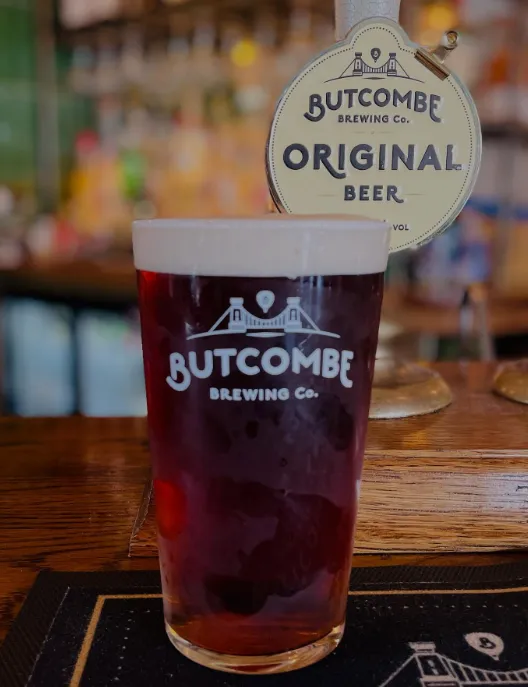
Photo: 55belgianbeerfan, CC0, via Wikimedia Commons
There is a particular kind of pub that greets you with a twenty-tap list, a chalkboard in three colours and a fridge full of branded glassware, and still hands you a pint that tastes like it was poured through a radiator. It happens. More often than any of us would like to admit. And the annoying thing is that none of it shows up on the board.
So over the past couple of months I've been doing the rounds of London Road anonymously — no notebook on the bar, no telling anyone what I do, just a pint, a look around and a quiet score. Not to name and shame. The point was to work out which small signals actually predict a decent pint in 2026, when a round for two can clear £12 and nobody has the patience for a lottery.
The answer, mostly, is that the beer tells you before you taste it. You just have to know where to look. Here are the seven things I check, in the order they usually show up.
1. The glass arrives before the beer does
This is the first and most reliable tell, and it's the one most people miss. A cask pint should be served at cellar temperature — somewhere around 11 to 13°C — and a glass straight out of the freezer will fight that every time. It numbs the aroma, flattens the malt and, worst of all, hides a hazy or tired pint behind a coat of frost.
A pub that cares pulls your glass from a shelf, not an icebox. It also checks it: no chips on the rim, no lipstick from the last punter, no lingering smell of washing-up liquid. I've had pints in this postcode that were perfectly good beer ruined by a glass that still smelled of the dishwasher. That is a choice, and it's the wrong one.
2. The line-cleaning clue
Line cleaning is the great invisible chore of the trade, which is exactly why it's such a good indicator. You can't see inside the pipes, but you can see the paperwork: a dated cleaning card or certificate behind the bar, signed and current. You can smell it too — a faint whiff of cleaner on a Tuesday morning is a good sign, not a bad one.
The taste test arrives on the first pint of the day. A well-run bar runs off the first half-pint after cleaning rather than selling it. If your pint tastes of vinegar, cardboard or nothing at all, the lines are the first place I'd look, long before I blamed the brewery.
3. Sparkler policy — and whether anyone can explain it
There is no single correct answer on sparklers. Some beers want the tight, creamy head a sparkler gives; others are better without. What matters is that the person pulling your pint has an opinion and can tell you why.
Ask. "Do you sparkle this one?" If the answer is a shrug, or a defensive "we've always done it this way", that tells you something about how much thought goes into the pour. A pub that cares will either offer you the choice or explain the house style in a sentence. Either is fine. Neither is a shrug.
4. Cellar pride you can see from the stool
You can't see the cellar from the bar, but you can see its work. The hand-pull should move smoothly — no gasping, no juddering, no spluttering at the end. The beer should settle and clear in the glass rather than arrive half foam and half flat. The temperature should be consistent from the first pint of the session to the last.
A pint that fobs everywhere or goes flat in ten minutes is not a barman problem. It's a cellar problem, and it usually means nobody has checked the gas, the lines or the cask in a while. That's a management tell, and it's worth noticing.
5. Staff who can answer one question
Here's my test: "What's drinking well today?" A good answer names a beer, tells you roughly when it was tapped, and gives you a tasting note that goes beyond "it's nice". A great answer steers you away from the one that's nearly through the cask. A bad answer points at the board and says nothing.
This isn't about quizzing anyone. It's about whether the people behind the bar have actually tasted the beer they're selling. In my experience, the pubs that can talk about their pints are almost always the pubs that look after them.
6. The twenty-tap trap
Length of list is not a virtue. A short list that turns over briskly will beat a wall of twenty badges going stale every time, especially on cask. Ask what's moving. If the answer is "everything's popular", that's usually code for "nothing's shifting".
A tidy, well-edited range — say four or five cask, a handful of keg, one or two dark — is a sign someone is buying with the pub's actual footfall in mind rather than a supplier's discount sheet.
7. The settle and the lace
Give your pint a minute. Does the head hold? Does it leave a bit of lace down the glass as you drink? Cask shouldn't fizz on the tongue, and it shouldn't collapse into flat brown water halfway down. Head retention is a small thing that reflects a long chain of care: the cask, the cellar, the line, the pour.
How I score it
Two points for each of the seven, fourteen in total. Ten or above and I'll happily order a second. Eight or nine and it's fine — I'll drink it, but I won't rush back. Below eight and I'm ordering a bottle, or walking.
The point of the audit isn't to be harsh. It's that a long tap list is marketing, and these small signals are craft. In 2026, with prices where they are, the first sip is the best value test we've got — and it starts long before the beer reaches your lips.